4/24/2014

Artemisia - Herb of the Year 2014

Copyright, 2014 Jim Long
The official Herb of the Year for 2014 is Artemisia, which encompasses a large and diverse family of plants. Probably the best-known Artemisia relative is French Tarragon, which a decade ago was on the list of the top 10 most-purchased plants in the U.S. (It has fallen off the top ten list, replaced a few yeas back in popularity and sales, by cilantro; to read more about the Top Ten Most Popular Herbs, from my nationwide survey, read my book by that title, click here for info).
French Tarragon (Artemisia dracunculus 'Sativa')
Another in this family of plants is absinthe (Artemisia absinthium), best known for the anise-flavored beverage, Absinthe. The spirit once had a bad reputation, mistakenly for the belief the ingredients could cause mental illness. It had great popularity as an alcoholic drink in the late 1800s, especially among writers and artists in France. Prohibitionists portrayed it as a dangerous and addictive drug and Absinthe was banned. Current studies have shown absinthe's properties were greatly exaggerated, and it was the over-consumption of alcohol, not the plant chemicals (thujones) present, that caused the problems. Absinthe is now manufactured by a variety of companies in both Europe and America. The plant itself is easy to grow and quite attractive.
Artemisia absinthium
With delightful gray-green leaves, the plant reaches to about 3 ft. in height and makes an excellent background or foliage plant in the landscape.
Leaves of the absinthe plant.
Yet another member of the Artemisia family is mugwort, (Artemisia vulgaris). It is seldom if ever used as a culinary herb, but its reputation in dream blends is well know. I use it in my own dream pillow formulas because it has been shown to help a person remember their dreams. (To read more, visit my Dream Pillows page of my website, or go to my Dream Pillows blog for stories about Dream Pillow use for quieting nightmares).
Mugwort (Artemisia vulgaris).
Upon first glance, Mugwort and Absinthe might look very similar but if you look closely, you'll see the leaves of Absinthe are more rounded and gray on top and bottom. Mugwort, by contrast, has pointed ends of the leaves and is green on top and gray on the underneath side. Another difference is Mugwort is invasive like mint, while Absinthe stays put as one plant much better.

To learn more about the Herb of the Year, visit the International Herb Association's website, click here.

4/17/2014

Morels

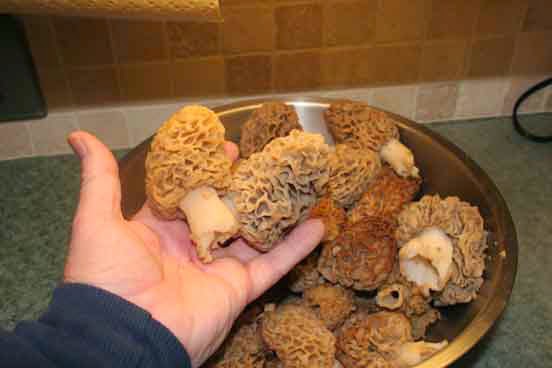
I'm not alone in thinking "will spring ever come?" Friends in Minnesota told me they had 10 inches of snow this week. I mistakenly bragged slightly we'd had our first asparagus and morel mushrooms. The next day (3 days back) it was spitting snow and raining here and we got down to freezing. My shipment of hot pepper plants arrives tomorrow and I'm not even close to having the garden ready! But there are some encouraging signs.
It's a small handful, but still we take encouragement where we can find it!
These are just the early morels, the early white ones. The larger yellow morels will be coming up soon. Where do I find them? Primarily under elm, red oak and ash trees. But also under cedars and even a couple of times, in the gravel edge of road pavement (near an elm tree).
You have to look close to find morels.
But it's worth it when you find a bunch.

We had guests on Sunday and I served them tulips stuffed with chicken salad, deviled eggs, corn pudding, some of Josh's homemade sourdough bread, and a few morels for each of us. What I'd call, a perfect spring dinner. So there is hope that spring will eventually arrive and the cold will leave us for this season.
Happy spring!

3/29/2014

Hardy Rosemary - Arp


Arp and Hill Hardy rosemary

I've long wondered how 'Arp' rosemary got its name, and I admit I always thought it an odd choice for a plant name. While visiting Festival Hill a couple of years ago, I was pleased to share breakfast with Gwen Barclay and Henry Flowers. Gwen, as many of you may remember, is the daughter of the late Madalene Hill (whose incredible rosemary collection resides at Festival Hill). Henry Flowers it the horticulturalist and over-all plant genius at Festival Hill and began his work under Madalene's supervision. (If you want to know more, you can read the tribute I wrote about Madalene on my earlier blog, here.
Henry Flowers, Horticulturist at Festival Hill

Gwen Barclay, chef, musician and herbalist.

Gwen made a reference to Arp rosemary, how there were a lot of the plants sold during the plant sale that weekend and that the Herb Society of America was intending to plant a commemorative plaque in Arp.

"You mean Arp is a place?" I asked.

So I got the whole story, directly from Gwen and Henry.

Gwen and her mother have cousins in Arp, Texas, southeast of Tyler. One Christmas they were visiting their cousins and Madalene noticed a very robust rosemary, in full bloom, in front of an abandoned house nearby. It was unusual for a rosemary to be covered with blue-lavender flowers at Christmas time. Madalene inquired of her cousins and the neighbors if anyone knew who owned the old, neglected (and empty) house. No one knew anything about the owner.

Madalene borrowed a knife and made several cuttings from the very prolific rosemary and took them home with her to root. Over the next few years she shared the cuttings with several people, including the late Tom DeBaggio. He began propagating the now named, 'Arp' rosemary for his retail nursery. (You can read more about Tom and his amazing story of dealing with Alzheimer's disease on his nursery website here; you will also find lots of stories about him on National Public Radio, the Washington Post, etc. if you Google his name).


Hill Hardy rosemary

One day Tom noticed that one rosemary stood out as different from among the dozens of trays of Arp rosemary cuttings and he separated it out and grew it on, propagating more. That rosemary was more gray and fine-leafed than the Arp rosemary which appeared to be its parent. Over time Tom discovered the grayer rosemary to be equally or even more hardy than the original Arp, and he dubbed it, 'Hill's Hardy' rosemary, in honor of Madalene Hill who had first brought it to him.

Thanks to my Garmin navigator, Arp wasn't difficult to find.

Since I had Arp rosemary with me, and now knew the real story of the origins of both these exceptional rosemaries, and since I was already heading toward Tyler, TX from Round Top/Festival Hill, I decided I should definitely drive to Arp, TX and see where this amazing rosemary came from.
That's my pot of 'Arp' rosemary, standing proudly in front of the Arp welcome sign.

(Madalene had found, in later years, the name of owner of the property, and learned the rosemary had come to Arp from "somewhere up in Oklahoma," but no one knew anything else about its origins). The Herb Society of America is slated to erect the plaque in Arp, sometime this coming summer.

That's 'Arp' on the left, 'Hill Hardy' on the right. Some nurseries list 'Hill Hardy' as 'Hill's Hardy' rosemary, which I believe is correct. Both are outstanding rosemaries to grow and use.
 So there is the story of the origins of a this particularly good, and hardy rosemary and it's cousin, 'Hill Hardy.' The rosemary itself is likely more famous than the little town it came from, but you can't miss the sign if you drive through.

This year, however, with the deep and prolonged cold (3 degrees for us in December and January) even my Arp rosemary has been killed. It's been tough, lasting for several years but this was a record-breaking cold with more snow than I can remember in my lifetime. I'll have to start over with some new rosemarys.

3/13/2014

Help Kids Gardening By Ordering Seed

A few of the 500 kids in one of their 3 gardens at school.
I've posted this before but thought a reminder would be in order since it's seed-ordering season. If you are going to order garden seed, consider ordering some of your seed through my website. On my home page, scroll down to the bottom and on the left you'll see this button:
We raised $465 from Renee Shepherd, from people who ordered her seed through our website, all of that money going directly to the kids' garden project. Thank you to all who ordered!
 
Kids gardening is important! When kids learn how to grow plants, learn where their food comes from and how to prepare healthy meals, they learn skills that will stay with them for their entire life. I've written about the amazing kids' garden project at the magnet school in Jonesboro, Arkansas, several times before. (Click here to see an earlier post and more photos). And here for the story about cooking with the kids in their amazing kitchen. But I thought you might like a reminder that this project is always struggling to find enough money for seed, soil and other supplies the kids need.


Learning to weed and identify the edible plants.
We've had the button on our website, "Buy Seed, Help Kids," for the past 3 years to encourage readers to order and help the kids. It's a project whereby you can order garden seed from Reneesgarden.com, for your own garden, and Renee Shepherd generously donates 25% of the revenue from your order, back to the school! It's a wonderful project. If you go to our website, LongCreekHerbs.com, here's the button you will see on the left side:


When you click on that, you are directed to a page with a code to enter when you place your order at Renee's Garden Seed You can order seed for your spring garden and when you order, it will count toward a donation for the kids' garden project, and you will receive outstanding seed.


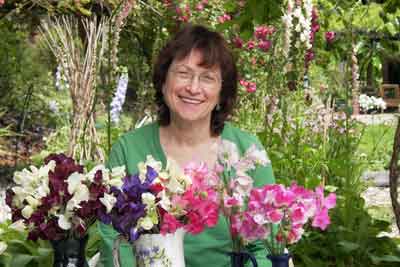
Renee Shepherd, owner reneesgarden.com
Renee Shepherd donates to a wide variety of children's garden projects, both in the United States and in other countries. That's why we are so pleased to partner with her in helping this garden in Jonesboro, Arkansas. If you have not visited her website, please do so, her seed selections are outstanding and I grow many in my gardens each season. (AND... if you like wasabi flavor, consider her very tasty and easy to grow Wasabi Arugula! I don't like arugula much, but I love the wasabi variety).


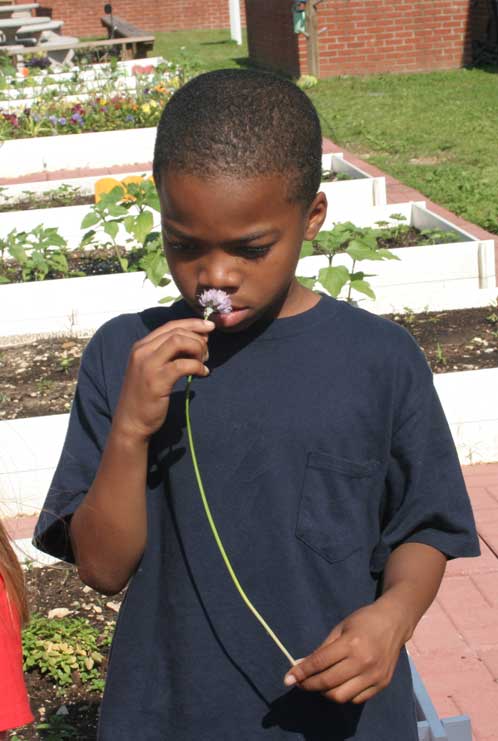
To visit Renee's Garden website, go to our website at Long Creek Herbs, and click on the Help Children- Seeds button.  You'll find the link to Renee's Seeds website, look around and see if you aren't tempted by her spring seed offerings. Then when you order, use our code (it's in the instructions you'll see), so that she can make a donation to this wonderful project. Then, you will know that more kids, like this boy, below, can experience for the first time in their life, the taste and smell of a chive blossom and learn how to fix a meal using fresh herbs and vegetables right out of the garden.
I hope you'll consider ordering seed from Renee Shepherd, she has outstanding varieties you won't find anywhere else. And when you order, won't you do it through my website so the kids get credit? Thank you!


This was his first time smelling or tasting chives!


2/28/2014

Mint is Trendy Again

Mentha spicata 'Blue Eye'
 Mint (Mentha spp.) is reported to be making a huge comeback this year, according to the Specialty Food Association’s 39th Winter Fancy Food Show last month in San Francisco. This old-time favorite herb evokes familiar, comfort-flavors of the American palate. Silk Road Soda, a West Coast premium beverage company introduced a line of mint sodas at the show, including cucumber-mint and pomegranate mint and a line of new mint and licorice almond water and hibiscus-mint frozen pops was introduced, as well.


Bar owners have realized that all ice isn’t the same. Commercial ice, as well as ice out of the ice machines, contains air and minerals. Ice with air melts faster and the minerals change the flavor of the drink. Many high-end establishments now have full-fledged “Ice programs” which produce ice for their cocktails that are better tasting, more attractive and, yes, worthier of premium prices.

According to Nation’s Restaurant News, bartenders at Trump International Hotel create house-made cubes formed in pastry molds and blast-frozen and include such items as rose petals with raspberry, elderflower, mint, basil, lemon verbena and others. Their signature drink this year is the Opulence 5, which is a medley of Champagne, artisan vodka, elderflower liqueur served over five different herb-flavored cubes which slowly melt, adding new layers of flavor. It can be added to your tab for a mere $55.
Mint 'Berries and Cream'
So is there anything new with mints? You bet there is! Jim Westerfield, in Illinois, has been crossing and re-crossing mints for years. His mints are on the "hot" list for chefs and bar owners. One of my favorites is his 'Berries and Cream' (Mentha 'Berries and Cream') which has a wonderful fruity flavor with a smooth, creamy background.
Mint 'Fruit Salad'
Another of the Westerfield patented mints is 'Fruit Salad' mint. It is a variety of spearmint (Mentha spicata) and has a unique, very pleasant fruity flavor. You'll also find Margarita mint, with a zippy lime background flavor that is perfect for beverages.

All of the Westefield new patented mints can be found only at Richters Herbs. You can find these amazing trendy new mints on-line and Richters has an exclusive contract for these exciting new mints.

And that mint I posted at the top of the page, Mint 'Blue Eye'? That's one I discovered growing beside a woodland spring near Blue Eye, Missouri, 34 years ago. It's an especially good tasting mint and withstands more frost than most. In the fall, at the first frost, I like walking in the garden and picking the frost-covered leaves of this mint for a cool, minty flavor. 'Blue Eye' mint can be gotten from Mountain Valley Growers where my friend, V. J. Billings is growing my mint for sale.

2/17/2014

Cumin Scented Perilla

Another up-and-coming chef herb this year is perilla or shiso. The two more common varieties of perilla (Perilla frutescens) grow wild across the Ozarks region of Southern Missouri, including my garden. Both of these, the red and the green leaf varieties escaped from cultivation decades ago. Both can be found growing wild along roadsides and edges of fields in many places. Visitors to my garden have told me they thought it was wild basil, although it isn't remotely related to that plant. Both the red and green are simply Perilla frutescens, also known as shiso, but both of these plants are quite strong flavored and not as desirable in cooking as the Vietnamese perilla (Perilla frutescens var crispa). Of course that's my opinion, both the red and green varieties are used in Korean, Japanese, Chinese and other Asian cuisines, both as an ingredient and as a coloring agent.
Stronger flavored, this perilla grows wild in many parts of the U.S.
But it is the cumin-scented perilla (not the one above) that I think has the better flavor and culinary uses. I found mine in a plant market near Tampa, Florida this past month. I've had starts before from a friend in Illinois but lost them to frost and hadn't collected any seeds.
Cumin scented perilla
The plant varies from green, to green on top and red underneath the leaves, as in the one above. As Tom DeBaggio and Dr. Art Tucker said in The Encyclopedia of Herbs: A Comprehensive Reference, "the application of the cultivar names is poorly defined in the literature. Many different scents of the beefsteak plant also exist." In other words, there are variations of scents in shiso (sometimes called beefsteak plant, mostly for the red-leaf varieties, so choosing the best fragrance and flavor is a mater of choice).
It's an attractive addition to the herb garden.
Both the red and green varieties often called beefsteak plant due to the red of the leaves, is used in pickling in Japanese dishes. The green-leaf variety known as "Tia To" is milder and has the pleasant cumin scent and flavor. Other cultivars available include ‘Atropurpurea’ with dark purple leaves; ‘Crispa’ with crinkled bright purple or bronze leaves mottled with green or pink and ‘Laciniata’ with all-green, deeply incised leaves. Varieties 'Green Cumin' and 'Purple Cumin,' both readily available, have cumin-and cinnamon-scented leaves. 'Aojiso' has green ginger-scented leaves, often used with sashimi. 'Red' or 'Akajiso' has rich, deep red to purple leaves. The large-leafed 'Kkaennip' or Korean perilla is used in a variety of ways.

The leaves are used as a wrap in sushi, shredded on salads, mixed in Mesclun salad mixes, sprinkled over cucumbers, cabbage or fish dishes. Try the fresh leaves thinly shredded on a fish taco!
 Try this perilla pesto served over pasta, fish or mixed with sour cream as a dip for vegetables.

Perilla Pesto
1/2 cup toasted almonds
3 garlic cloves
1/3 cup olive oil
2 cups fresh cumin-scented perilla leaves, torn in pieces
Juice of 1 fresh lime
1/2 teaspoon salt

In a food processor, coarsely chop the almonds, the add the remaining ingredients and pulse-chop until you have a spreadable pesto. This can be stored in the refrigerator, covered, for about 24 hours.

Seed for cumin-scented perilla aren't easily to find. I found only 2 companies that carry it:
Kitazawa Seed Co.
and One-Garden, Inc.

When growing any perilla, be aware it will reseed itself. The cumin-scented one isn't prone to that and I've never had a volunteer plant come up in the garden. But the common red and green curly leaf ones that grow wild, can become a weed if you don't clip out the flowering tops before fall. Even then it's not an unpleasant plant to find in the garden and is easily controlled by mulching over it.

2/09/2014

Papalo Hits the Big Time

Recently I've been working on a couple of magazine assignments about the hot new herbs and plants for 2014 for restaurants. My research started with new restaurant trends on-line, then I've been concentrating on interviews with chefs around the country. Not surprisingly, locally sourced produce is even bigger this year than last, new introductions of non-wheat pasta and noodles, sustainable seafood and children's menus in upscale restaurants are a few of the items.
Papalo, growing on mature plant.

One hot new herb that surprised me a bit for this year is papalo (Porophyllum macrocephalum), sometimes commonly dubbed "Buzzard's Breath" (although I'm guessing there won't be any chefs across the U.S. who will use that name; let's see, how might that sound on a menu..... farm-raised pork cemitas with seasonal chilies and buzzard's breath sauce...)

Used like cilantro in Bolivia, where my original seed start came from, as well in some states in Mexico, it's easy to see (or smell) why it got dubbed buzzard's breath. Just getting near the plant you'll get a whiff of something akin to aluminum with lemony overtones with some rue and other smells thrown in. That's on the mature plant, which isn't the stage of the plant normally used. The flavor has been described as something like a combination of arugula, mint and cilantro, although that doesn't quite describe it, either. The flavor is unique to the plant.
Cemitas, a Mexican sandwich.

Papalo is also commonly eaten raw on cemitas - sometimes known as a cemita poblana, which is a Mexican sandwich and street food that originated in the city of Puebla. Papalo is also sometimes found in guacamole and in Mexico it is used fresh in soups and stews. In Bolivia native Quechua people call it Killi and eat it daily just torn up onto foods. (If you use the search button on my blog for papalo, to the right, you can find more that I've written about this interesting herb).

Papalo sold as young, pulled seedlings in Acalpulco markets.

Papalo is showing up in gardens from California to New York City, and in markets with large Hispanic populations. However, a lot of Hispanics from other parts of Mexico or South America may not know the plant at all. I found it in the markets in Acalpulco when I visited there a few years back and admit I didn't understand the plant at all until then. I'd always let mine get to 3 or 4 feet tall and found the flavor of the leaves unpleasant. But in the markets of Acalpulco I discovered it was being grown as seedlings, the whole plant pulled up at about 12 to 15 inches tall, and the flavor of the plant was vastly better than from the mature plant.

Vendor in Mexico selling papalo.
Even though regular cilantro (Coriandrum sativum) is used extensively in Mexican cooking, that herb is not native to anywhere in the Americas (it is native to the eastern Mediterranean). But Papalo is native to the Americas and can be found growing wild from Bolivia northward as far as the southern U.S.

Here's a simple recipe to try when you're learning the flavors of this ancient herb. It's a simple green sauce and if you travel in Mexico, you may encounter the sauce used on eggs, sandwiches or other dishes.

8 green tomatillos, diced
1 green onion, diced
2 cloves garlic, whole
1 serrano or jalapeno chile, stem and seeds removed
4 or 5 fresh papalo leaves
1 large or 2 small avocados, diced
2 teaspoons olive oil

In a small skillet, combine the oil, tomatillos, onion, garlic and chile and simmer on medium heat until the tomatillos are soft, about 10 minutes.
Pour the ingredients into a food processor, along with the papalo leaves (I sometimes add juice of 1/2 lime, too) and pulse blend until everything is chunky-smooth.
Pour into a bowl and add the diced avocado. Let stand for about 30 minutes for flavors to blend well. Serve with chips or as a sauce on your favorite morning egg dish.

The following companies offer papalo seed:
Nichols Garden Nursery
Southern Exposure Seeds
Johnny's Selected Seeds